NRX Patella Subluxation Brace – Low-Profile Bilateral Knee Brace for Kneecap Tracking & Instability
NRX Patella Subluxation Brace – Low-Profile Bilateral Knee Brace for Kneecap Tracking & Instability
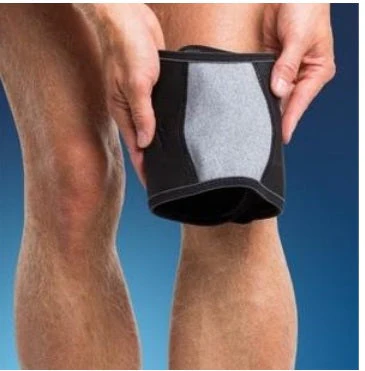
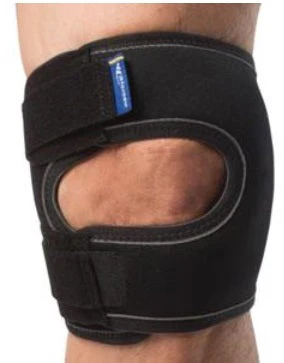
The NRX Patella Subluxation Brace is a clinically designed, low-profile bilateral knee brace specifically for patellar subluxation (partial dislocation of the kneecap) and patellar tracking dysfunction. Unlike bulkier knee braces, the NRX is designed to be worn discreetly under clothing — providing patellar buttress support throughout daily activity, work, and light sport. Available in X-Small through X-Large. Worn on either knee (bilateral design).
- Low-profile patellar buttress — discreet under-clothing wear
- Bilateral design — suitable for either left or right knee
- Targeted patellar subluxation and tracking support
- For daily activity, work, and light sport
- Available in X-Small, Small, Medium, Large, X-Large
Frequently Asked Questions
What is patellar subluxation and how does it differ from patellar dislocation?
Patellar dislocation is a complete displacement of the kneecap out of its groove — a painful acute injury requiring medical treatment. Patellar subluxation is a partial, often repeated displacement — the kneecap slides partially out of its tracking groove during knee movement, causing pain, instability, catching sensations, and sometimes giving-way. Subluxation is more common than full dislocation and is often a chronic, recurring problem requiring ongoing patellar support.
How does the NRX Patella Subluxation Brace prevent subluxation?
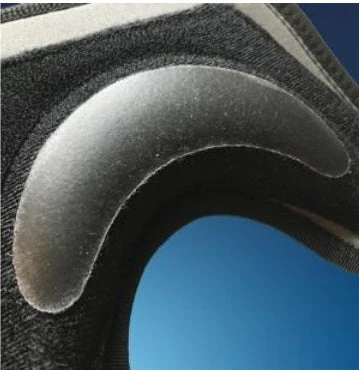
The brace contains a patellar buttress — a padded, shaped support that sits on one side of the kneecap (typically the lateral/outer side where most patellar subluxation occurs) and resists lateral displacement. By physically blocking the lateral migration of the patella, the brace prevents the partial displacement that causes pain and instability. The low-profile design allows this support without the bulk of traditional rigid knee braces.
What is a bilateral design and why is it useful?
A bilateral design means the brace has no left or right — it can be worn on either knee without modification. This eliminates the common problem of ordering the wrong side and provides flexibility if patellar issues affect both knees at different times. The NRX can simply be moved from one knee to the other as needed.
Is the NRX Patella Brace suitable for wearing during work all day?
Yes — the low-profile design is specifically intended for extended daily wear including sedentary and standing work environments. It fits under most workplace clothing without visible bulk. Ensure the fit is comfortable for extended wear — the brace should not cause circulation restriction, skin irritation, or discomfort during prolonged use.
When should I see a physiotherapist about patellar subluxation?
Always seek physiotherapy assessment for patellar subluxation — the brace manages symptoms but does not address the underlying cause (typically weak VMO muscle, tight IT band, or poor hip control). A physiotherapist can provide targeted exercises to strengthen the muscles that control patellar tracking, reducing the dependence on the brace over time. The brace and physiotherapy work best together.
Original: $65.37
-65%$65.37
$22.88Product Information
Product Information
Shipping & Returns
Shipping & Returns
Description
NRX Patella Subluxation Brace – Low-Profile Bilateral Knee Brace for Kneecap Tracking & Instability
The NRX Patella Subluxation Brace is a clinically designed, low-profile bilateral knee brace specifically for patellar subluxation (partial dislocation of the kneecap) and patellar tracking dysfunction. Unlike bulkier knee braces, the NRX is designed to be worn discreetly under clothing — providing patellar buttress support throughout daily activity, work, and light sport. Available in X-Small through X-Large. Worn on either knee (bilateral design).
- Low-profile patellar buttress — discreet under-clothing wear
- Bilateral design — suitable for either left or right knee
- Targeted patellar subluxation and tracking support
- For daily activity, work, and light sport
- Available in X-Small, Small, Medium, Large, X-Large
Frequently Asked Questions
What is patellar subluxation and how does it differ from patellar dislocation?
Patellar dislocation is a complete displacement of the kneecap out of its groove — a painful acute injury requiring medical treatment. Patellar subluxation is a partial, often repeated displacement — the kneecap slides partially out of its tracking groove during knee movement, causing pain, instability, catching sensations, and sometimes giving-way. Subluxation is more common than full dislocation and is often a chronic, recurring problem requiring ongoing patellar support.
How does the NRX Patella Subluxation Brace prevent subluxation?
The brace contains a patellar buttress — a padded, shaped support that sits on one side of the kneecap (typically the lateral/outer side where most patellar subluxation occurs) and resists lateral displacement. By physically blocking the lateral migration of the patella, the brace prevents the partial displacement that causes pain and instability. The low-profile design allows this support without the bulk of traditional rigid knee braces.
What is a bilateral design and why is it useful?
A bilateral design means the brace has no left or right — it can be worn on either knee without modification. This eliminates the common problem of ordering the wrong side and provides flexibility if patellar issues affect both knees at different times. The NRX can simply be moved from one knee to the other as needed.
Is the NRX Patella Brace suitable for wearing during work all day?
Yes — the low-profile design is specifically intended for extended daily wear including sedentary and standing work environments. It fits under most workplace clothing without visible bulk. Ensure the fit is comfortable for extended wear — the brace should not cause circulation restriction, skin irritation, or discomfort during prolonged use.
When should I see a physiotherapist about patellar subluxation?
Always seek physiotherapy assessment for patellar subluxation — the brace manages symptoms but does not address the underlying cause (typically weak VMO muscle, tight IT band, or poor hip control). A physiotherapist can provide targeted exercises to strengthen the muscles that control patellar tracking, reducing the dependence on the brace over time. The brace and physiotherapy work best together.